TL;DR: Matt Pocock's Wayfinder skill is powerful because it carries decisions forward. That same strength makes the temptation to just approve dangerous. Every accepted recommendation can become a premise for the next ticket. Without output guardrails, a sequence of reasonable approvals can produce a coherent route to a result you never needed.
Wayfinder is very good at what it does.
It takes a large, unclear effort and turns it into a shared map of decisions. It names the destination, surfaces the questions on the frontier, and records each answer so later work can build on it.
That is exactly why the human cannot become a passive approver.
An approval does not sit inside one conversation. The next ticket treats it as settled context. New recommendations then account for it. Supporting decisions appear. Before long, the route may be internally consistent while the output has grown far beyond the original need.
We saw this during a recent publishing change in pm_bot.
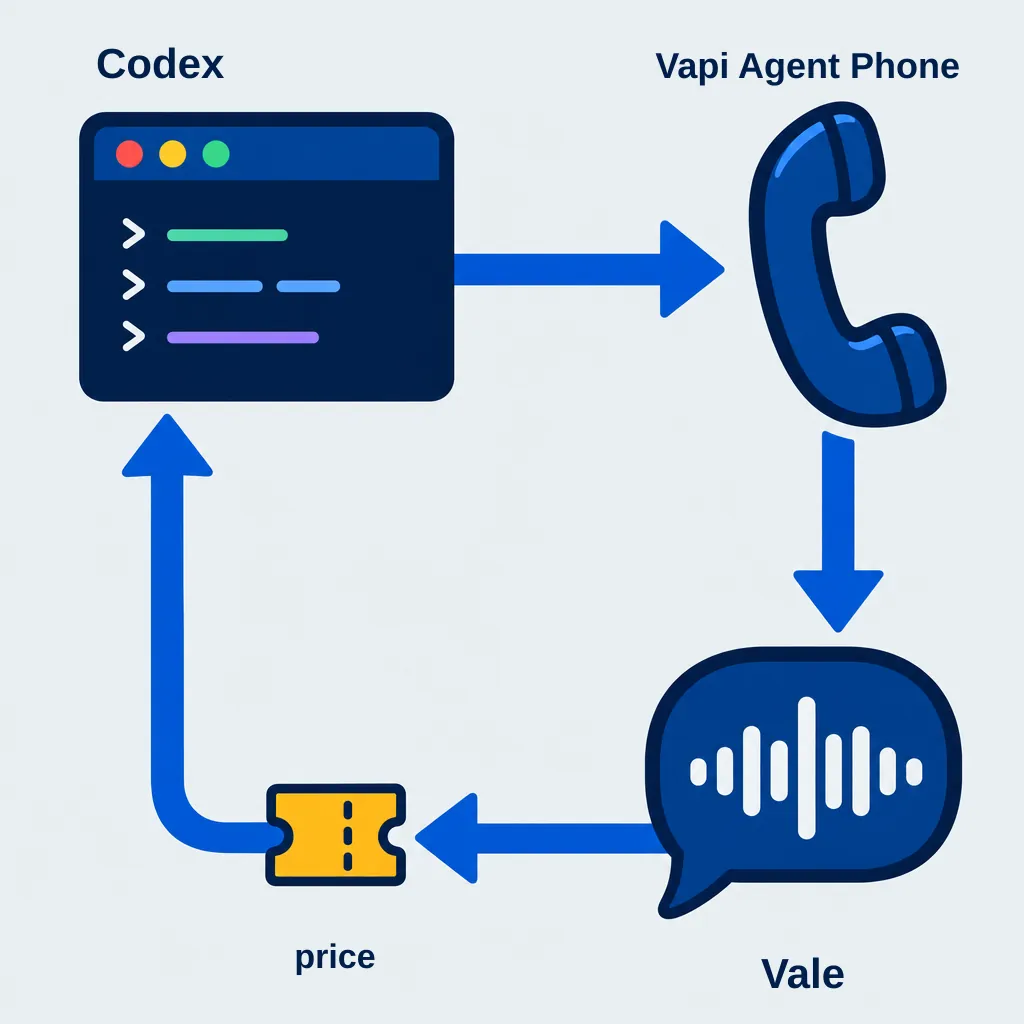
The required outcome was direct. pm_bot needed to create an Article artifact. pm_site needed to consume it, publish through its existing Git workflow, and return the verified production URL. LinkedIn then needed to use that exact URL.
The planning questions were legitimate. What happens if publication fails? Who owns the handoff? What evidence should be retained? How should retries behave?
One defensible recommendation led to another. The design expanded into durable handoff identities, leases, ownership guards, append-only attempts, receipts, observations, reconciliation, and divergence handling. A local, single-user publishing workflow began to resemble a distributed publication platform.
The problem was not that these ideas were technically foolish. The problem was that we had not constrained the output tightly enough before approving them.
The rabbit hole still served a purpose. It exposed four useful truths. pm_site owns Site publication. A successful Git push does not mean the production URL is immediately live. Failures must remain visible and retryable. LinkedIn must wait for the exact verified Site URL.
Those discoveries survived the simplification. Most of the machinery did not.
The cost was still real: extra planning, code that was never approved or shipped, abandoned branches and worktrees, and time spent cleaning up a process that had moved beyond the operator need.
The failure was not Wayfinder. It was treating human-in-the-loop work like an approval queue.
Before charting the route, define six guardrails: the operator outcome, the exact output, the owner on each side of the boundary, the complexity that is out of scope, the visible failure behavior, and the evidence that means the work is done.
Then test every recommendation against them.
Is this required to produce the output? Is it necessary for the current operator and environment? What is the simplest direct alternative? What happens if we say no? Does this belong on the route, in deferred risks, or out of scope?
If you cannot answer those questions, do not approve yet. Ask for the recommendation to be unpacked. Challenge the assumption. Trace its consequences into later tickets.
Wayfinder compounds what you feed into it. Good boundaries compound clarity. Passive approvals compound complexity.
The practical lesson is not to trust the skill less. It is to engage with it fully. Keep the destination fixed, scrutinise every recommendation, and make the power of the map serve the output you actually need.
Stop guessing which prompt lines are safe to remove. Book a free 30-minute discovery call and we will review your live voice agent with you: https://patrickmichael.co.za